Before We Arrive
Home Readiness Guide
Quick prep makes your appointment smoother, faster, and more focused on the details that matter to you.
15-20 min
Prep Time
Fewer delays
Smoother Service
Room-by-room focus
Better Results

Affordable Cleaning Today
Home Readiness Guide
How to Prepare for Your Cleaning
1. Tidy Up Personal Items
Please tidy away personal belongings such as clothes, shoes, toys, important documents, jewelry, or anything you would not want moved. This helps us clean surfaces thoroughly without disturbing your items.
Pro tip: Designating one room or closet as a holding area for personal items speeds up the entire cleaning process.
2. Clear Dishes & Counter Spaces
Clearing the sink and countertops of dishes allows us to deep-clean kitchen surfaces more effectively. The less clutter on counters, the more thorough your clean will be.
3. Provide Access to Your Home
Make sure we have the necessary instructions, keys, or codes to access your home. If there are any alarm systems, please let us know how to disarm them. For gated communities, provide the gate code or leave us on the visitor list.
- Door codes / lockbox instructions
- Alarm system disarm codes
- Gate codes for gated communities
- Parking instructions (if applicable)
4. Fragile, Damaged, or Delicate Items
Please inform your cleaner about anything fragile, damaged, or off-limits - such as loose window sliders, broken blinds, delicate fixtures, or antique surfaces. Our team will handle these with extra care or skip them entirely to prevent further damage.
Important: If an item appears compromised or at risk of breaking during cleaning, our team will skip it and inform you. This protects both your belongings and ensures a smooth service.
5. Ensure All Areas Are Accessible
Please make sure all rooms and areas you'd like cleaned are unlocked and accessible before our team arrives. Move any items blocking closets, bathrooms, or spaces that need attention. If certain areas are off-limits, let your cleaner know upfront.
6. Special Requests & Priority Areas
Let us know about any areas you'd like us to focus on - or skip. Whether it's extra attention on the kitchen, a specific bathroom, or avoiding a home office, this ensures we prioritize what matters most to you.
7. Allergies, Sensitivities & Pets
If anyone in your household has allergies, chemical sensitivities, or respiratory conditions, please let us know in advance. We can adjust our products and approach accordingly.
- Fragrance-free or hypoallergenic product requests
- Pet locations - let us know if pets need to be secured
- Areas with mold sensitivity or asthma triggers
- Any surfaces that should not be cleaned with certain chemicals
8. Deep Clean Self-Check (If Applicable)
If you booked a deep clean, take 2 minutes to check your baseboards, blinds, and bathroom surfaces. Run your finger across a baseboard or blind slat. Light dust that wipes off easily is a standard deep clean. Sticky, baked-on grime or heavy soap scum buildup may require a deeper clean with additional time and specialized products. Sharing what you find with our office helps us plan accurately.
Preparation Checklist
How to Prepare for Your Cleaning
Tidy Up Personal Items
Please tidy away personal belongings such as clothes, shoes, toys, important documents, jewelry, or anything you wouldn't want moved. This helps us clean surfaces thoroughly without disturbing your items.
Clear Dishes & Counter Spaces
Clearing the sink and countertops of dishes allows us to deep-clean kitchen surfaces more effectively. The less clutter on counters, the more thorough your clean will be.
Provide Access to Your Home
Make sure we have the necessary instructions, keys, or codes to access your home. If there are any alarm systems, please let us know how to disarm them. For gated communities, provide the gate code or leave us on the visitor list.
- Door codes / lockbox instructions
- Alarm system disarm codes
- Gate codes for gated communities
- Parking instructions (if applicable)
Fragile, Damaged, or Delicate Items
Please inform your cleaner about anything fragile, damaged, or off-limits — such as loose window sliders, broken blinds, delicate fixtures, or antique surfaces. Our team will handle these with extra care or skip them entirely to prevent further damage.
Ensure All Areas Are Accessible
Please make sure all rooms and areas you'd like cleaned are unlocked and accessible before our team arrives. Move any items blocking closets, bathrooms, or spaces that need attention. If certain areas are off-limits, let your cleaner know upfront.
Special Requests & Priority Areas
Let us know about any areas you'd like us to focus on — or skip. Whether it's extra attention on the kitchen, a specific bathroom, or avoiding a home office, this ensures we prioritize what matters most to you.
Allergies, Sensitivities & Pets
If anyone in your household has allergies, chemical sensitivities, or respiratory conditions, please let us know in advance. We can adjust our products and approach accordingly.
- Fragrance-free or hypoallergenic product requests
- Pet locations — let us know if pets need to be secured
- Areas with mold sensitivity or asthma triggers
- Any surfaces that should not be cleaned with certain chemicals
See the Difference
What to Expect
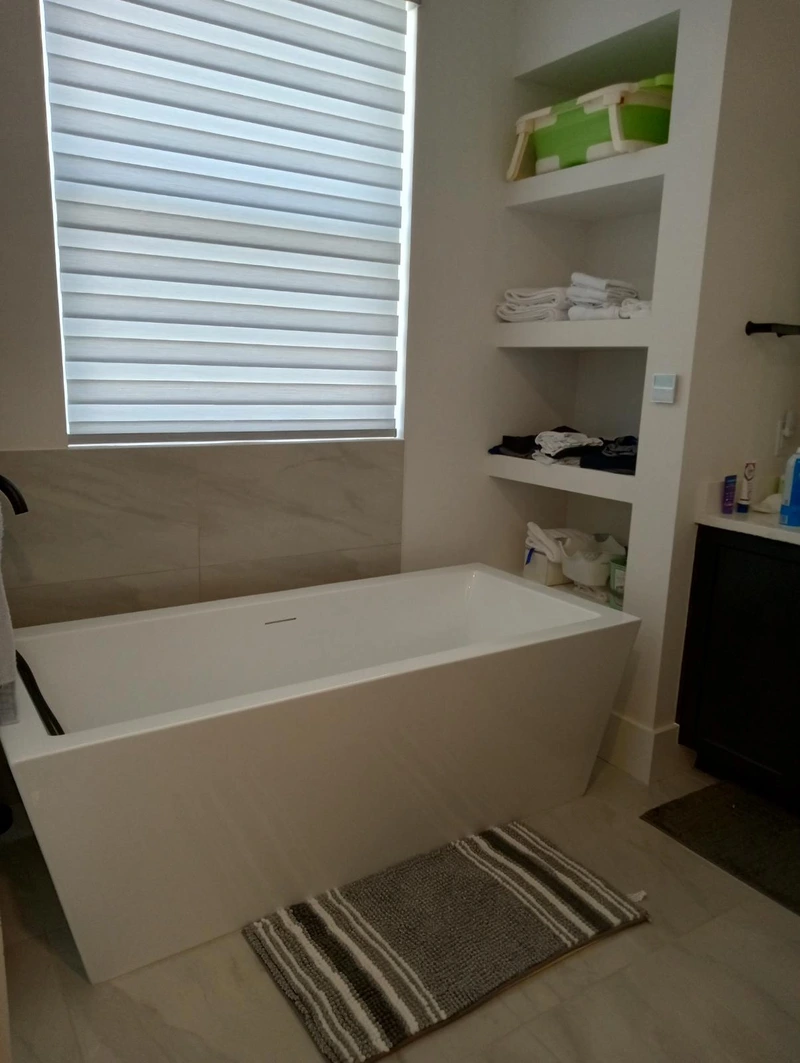
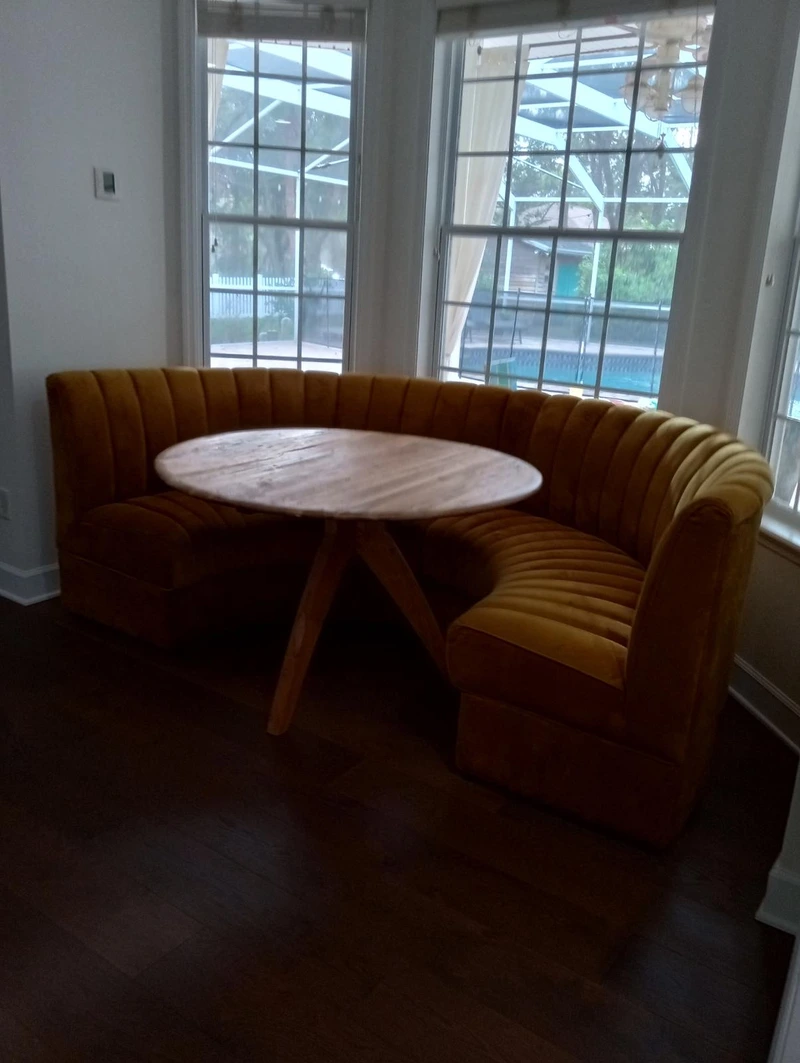
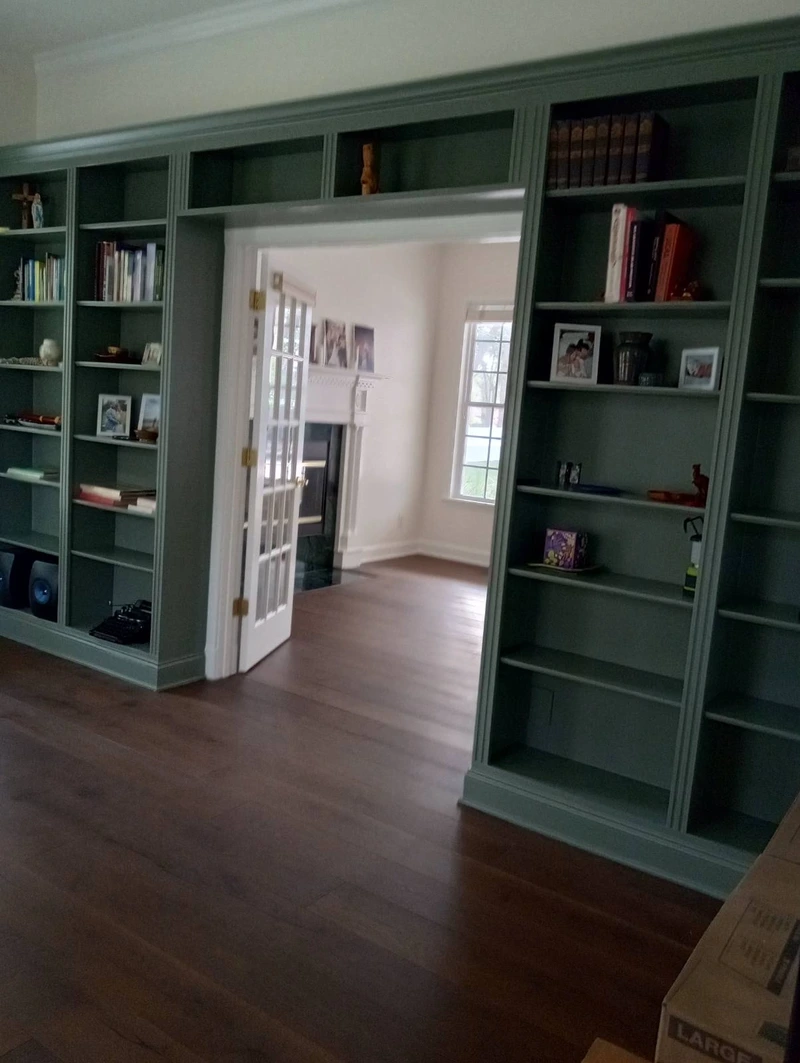
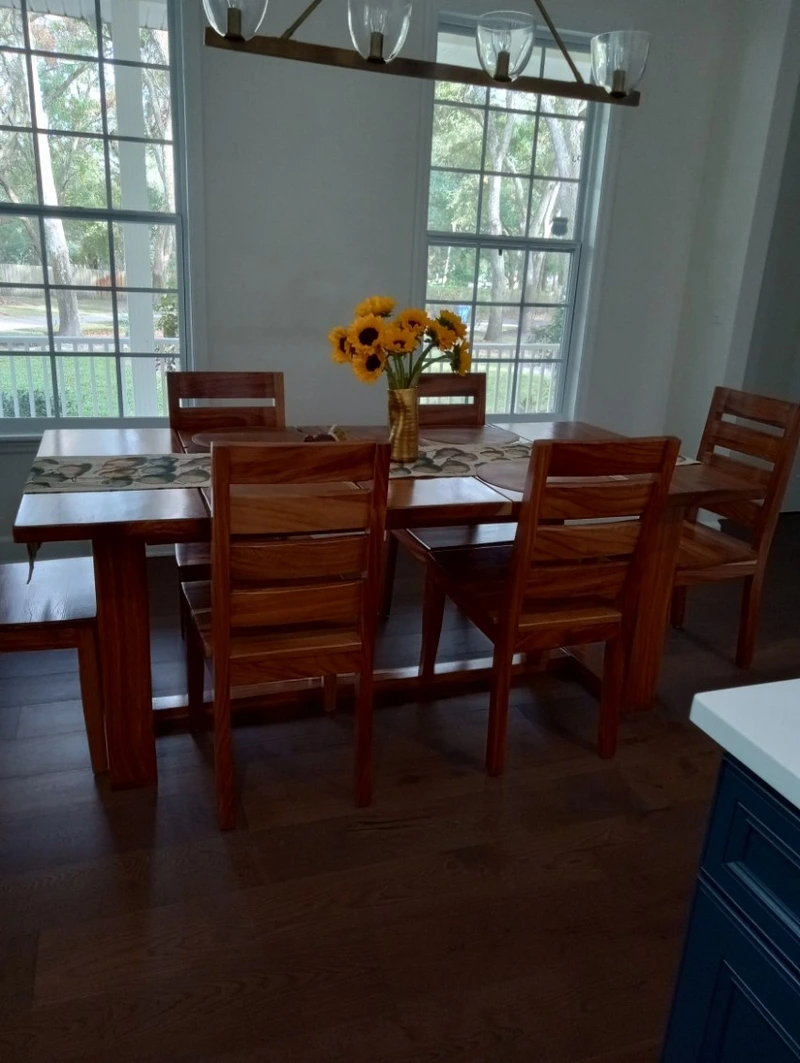
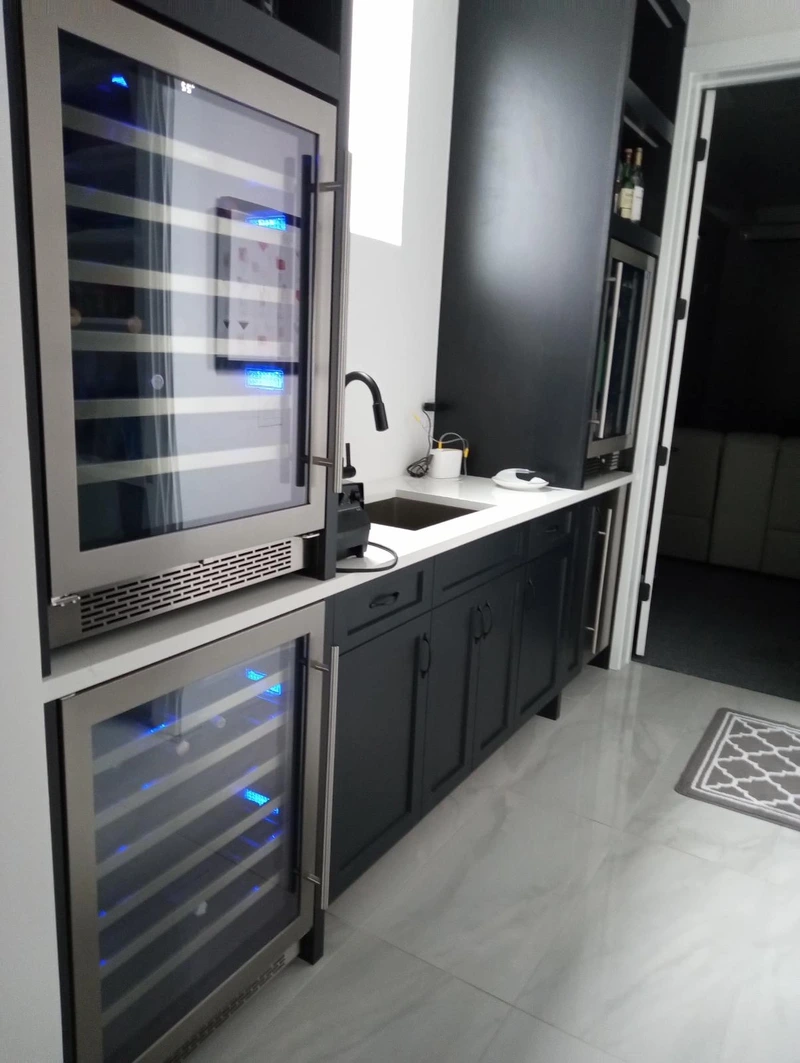
Real photos from real cleaning appointments by our team.

Know Before You Book
Demystifying Deep Cleanings
Not all deep cleans are the same. Understanding the difference helps you know what to expect and how to plan your budget.
Deep Clean
Dust removal, sanitizing, and detailed surface work
The core of a deep clean is dust removal. Baseboards, blinds, ceiling fan blades, vents, ledges, and other surfaces that collect dust over time are wiped down, sanitized, and restored. This is the number one thing that separates a deep clean from a standard clean.
How long it takes depends on the level of buildup. When dust sits for a while, it bonds to the surface. Our team uses professional-grade sanitizing sprays to break it loose. Light surface dust wipes off quickly. Settled, layered dust that has been sitting for months takes more passes and more time per surface.
If baseboards need to be done room by room, our cleaners are getting down to floor level and hand-wiping each section. The same goes for blinds: each slat needs to be addressed individually. The more rooms that require this level of attention, the more time the cleaning will take.
Deep cleaning can also include light soap scum removal in bathrooms if present. When the buildup is light, this adds minimal time. The lighter it is, the faster it comes off.
Deeper Clean
Baked-on grime, heavy buildup, and intensive scrubbing
A deeper clean is for situations that go beyond settled dust. When you are seeing baked-on grime, sticky residue, heavy grease, mildew, or discoloration on surfaces, that is a deeper clean. These are conditions where standard wiping will not cut it, and our team needs to use more intensive techniques and heavier-duty products.
This level of cleaning takes more time, more effort, and can involve specialized cleaning products that are formulated for tougher conditions. Soap scum that has hardened over time, grout that has darkened, grease buildup around stove areas, or mildew in tile joints all fall into this category.
Because of the additional time and materials required, a deeper clean will carry a higher cost than a standard deep clean.
Quick Self-Check Before You Book
A 2-minute walkthrough that helps us give you better pricing
Before ordering your cleaning, take a quick look around. This helps you understand what level of service your home may need, and it helps us estimate more accurately.
Check Your Baseboards
Walk along a few rooms and look at the baseboards. Is there a visible layer of dust? Run your finger across one. If it comes off easily, that is standard dust. If it feels sticky or bonded to the surface, that leans toward a deeper clean.
Check Your Blinds
Look at the slats of your blinds. If you see dust piled on top, take your finger and swipe through it. Does it come off cleanly, or does it smear and leave residue? Light dust is a deep clean. Sticky, greasy, or layered buildup is a deeper clean.
Check Bathroom Surfaces
Look at your shower glass, tile, and grout. Is there a light haze of soap scum, or has it hardened into a cloudy, chalky layer? Light film is manageable. Thick buildup, mildew in grout, or discolored caulking points to a deeper clean.
Check the Kitchen
Look around and behind the stove, the range hood, and the area near the backsplash. Grease that has dried and layered over time takes significantly more effort to remove and falls under a deeper clean.
Sharing what you find with our office helps us plan the right amount of time and give you a more accurate estimate upfront. The more we know, the better we can work within your budget.
Service Scope
No Surprises
Let's break down professional home cleaning services: what can be done based on insurance and safety scope, which items are auxiliary, and how we approach each service.
Auxiliary Items (Handled Separately)
Decluttering is not a core standard of service in our standard scope. If many items on surfaces need to be moved or worked around, overall cleaning time increases. It's recommended to handle decluttering before cleaning day.
Window Cleaning (Interior)
Interior window cleaning is available as an add-on at $10 per window.
Exterior Windows
For exterior windows, most homeowners get better same-day results with a pressure washing company. Exterior hand washing can take 20-30 minutes per window depending on buildup, sun exposure, and residue.
Carpet Cleaning Scope
Our standard scope is vacuuming carpets. We do not provide specialized carpet stain treatment, carpet washing, or extraction services. Carpet refresher may be added when requested.
Green Cleaning Products
Eco-clean options are available on request. If you prefer more vinegar-forward cleaning, we carry commercial-grade vinegar and can prepare that setup when requested in advance.
Maid Service Add-On
Maid service can be added for $40. This add-on covers tasks like dishes and light organizing support.
Final note: scope always depends on insurance and on safe professional handling standards. This structure is here so expectations stay clear from the start.
Beyond the Clean
Tips for a Cleaner Home
Small habits between cleanings that save you money and keep your home fresher longer.
Change HVAC Filters Regularly
Replace your air filters every 30-60 days. Dirty filters circulate dust throughout your home, making surfaces dirty faster. A clean filter can reduce dusting needs by up to 40%.
Invest in an Air Purifier
A HEPA air purifier captures dust, pet dander, and allergens before they settle on surfaces. Place one in high-traffic areas for the biggest impact.
Squeegee After Showers
A 30-second squeegee after each shower prevents 90% of soap scum and hard water buildup. This alone can save significant time and cost on bathroom deep cleans.
Quick Daily Sweep
Spending 2-3 minutes sweeping entryways and kitchen floors daily prevents dirt from embedding into grout and hardwood. Prevention is always cheaper than restoration.
Wipe Stovetops After Each Use
Grease buildup is one of the most time-consuming kitchen tasks. A quick wipe after cooking prevents baked-on residue that requires heavy degreasing later.
Use Doormats at Every Entry
Up to 80% of household dirt enters through doors. Quality doormats inside and outside each entrance dramatically reduce the amount of dirt tracked through your home.
Microfiber Over Paper Towels
Microfiber cloths pick up 99% of bacteria and trap dust instead of spreading it. They're reusable, cost less over time, and give a streak-free finish on glass.
Address Moisture Issues Early
Moisture leads to mold, mildew, and musty odors. Use exhaust fans during showers, fix leaky faucets promptly, and keep humidity below 50%.
Recurring Customers
Understanding Our Hybrid Billing Model
At Affordable Cleaning Today, we believe in transparency. Here's how our billing works so there are no questions when it comes to your recurring service.
Our services are hourly based. Your recurring cleaning is quoted for a minimum number of hours and a specific number of cleaners—determined after your first visit assessment. During that initial visit, we evaluate your home's size, condition, and scope to determine the minimum time it should take and how many team members are needed to clean it to our standards.
We also have one-time add-ons that may apply depending on conditions or customer request. These are not recurring charges—they only apply when the situation calls for it and are communicated before work begins or during the assessment stage.
We believe in offering fair pricing to our customers, so overages are handled on a case-by-case basis. If it's a one-time overage of over 10 minutes, but you have consistently had cleanings completed at the minimum times, we may waive it at our discretion. However, if overages are happening consistently, we would need to raise the minimum time to match what your home actually requires. This is simply to keep things fair for everyone.
Your minimum time can be raised if your home's needs change over time. We can revisit the allotment together so it reflects the actual scope of work. That's the benefit of working with a family-owned team that knows your home.
Real Google Reviews
Verified Customer Experiences
JFJoseph Fortin
“A Truly Outstanding Deep Cleaning Service! I hired Affordable Cleaning Today to perform a deep clean before putting my Florida home on the market, and I could not be more impressed. Every surface sparkled—baseboards, windows, ceiling fans, behind appliances—no detail was overlooked. My real estate agent even commented on how clean and inviting the house felt. Within days we received multiple offers.”
Posted on Google
SLShelly Luna
Local Guide“We used Affordable Cleaning for a move-out cleaning. Leah and Tiara were excellent! They did an outstanding job, particularly on our refrigerators, even taking the time to vacuum out the garage! The company is extremely professional and they truly take pride in their work. Highly recommend!”
Posted on Google
HFHeather Fadely
“The customer service was impeccable! Francis contacted me to make sure he scheduled the appropriate time. Leah texted to let me know she was on the way and arrived with a smile ready to work! Leah is super sweet and very detail oriented. My landlord was so impressed with Leah's work, he asked for their contact information!”
Posted on Google
Questions? We're Here to Help
Text or Call Anytime
(727) 228-6075Or reply to your Atlas text thread anytime
Get Free Quote